The list of the most powerful cars in the world is dynamic, with new models constantly pushing the boundaries of what is possible in automotive engineering.
This year’s list features a mix of established marques and newer players, all vying for the top spot in terms of sheer horsepower. These vehicles are not just about speed; they represent the pinnacle of design, technology, and performance.
Whether you are a car enthusiast or simply curious about the latest in automotive innovation, this guide will provide a comprehensive look at the most powerful cars currently available.
Devel Sixteen – 5,007 hp
The Devel Sixteen remains a benchmark in the quest for ultimate automotive power. With a claimed 5,007 horsepower, this hypercar pushes the boundaries of what is technically feasible.
Its V16 engine is a marvel of engineering, capable of producing staggering amounts of power. While the Sixteen is more of a concept than a production car, its existence demonstrates the aspirations of the hypercar market.
Engine: 12.3L V16 Quad-Turbocharged
Top Speed: 350 mph (estimated)
0-60 mph: Under 2 seconds
Price: $1.8 million
Koenigsegg Gemera – 2,300 hp
The Koenigsegg Gemera represents a new category of vehicle: the “Mega-GT.” It combines the practicality of a four-seater with the performance of a hypercar.
Powered by a hybrid powertrain, the Gemera offers an astounding 2,300 horsepower, making it one of the most powerful production cars ever made. Its innovative design and advanced technology set it apart from the competition.
Engine: 5.0L Twin-Turbocharged V8 + 3 Electric Motors
Top Speed: 249 mph (electronically limited)
0-60 mph: 1.9 seconds
Price: $1.7 million
Lotus Evija – 2,011 hp
The Lotus Evija is a stunning all-electric hypercar that showcases the potential of EV technology. With 2,011 horsepower, it is one of the most powerful electric vehicles ever produced.
Its lightweight carbon fiber construction and advanced aerodynamics allow it to deliver an exhilarating driving experience while maintaining Lotus’s legendary handling characteristics.
Engine: 4 Electric Motors
Top Speed: 200+ mph (electronically limited)
0-60 mph: Under 3 seconds
Price: $2.3 million
Rimac Nevera – 1,914 hp
The Rimac Nevera is a testament to the capabilities of electric hypercars. With 1,914 horsepower and four independent electric motors, it delivers instant torque and blistering acceleration.
This Croatian-made marvel has set numerous performance records, proving that electric vehicles can compete with the best internal combustion engine cars in the world.
Engine: 4 Electric Motors
Top Speed: 258 mph
0-60 mph: 1.85 seconds
Price: $2.1 million
Hennessey Venom F5 – 1,817 hp
The Hennessey Venom F5 is an American-made hypercar designed for one purpose: ultimate speed. With a twin-turbocharged V8 producing 1,817 horsepower, it is one of the fastest road-legal cars ever built.
Hennessey has focused on lightweight construction and aerodynamic efficiency to create a vehicle capable of breaking the 300 mph barrier.
Engine: 6.6L Twin-Turbocharged V8
Top Speed: 311 mph (claimed)
0-60 mph: 2.6 seconds
Price: $2.1 million
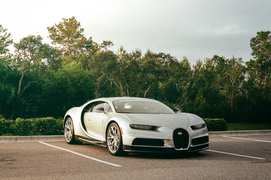
Bugatti Tourbillon – 1,800 hp
The Bugatti Tourbillon represents the next generation of Bugatti hypercars. Replacing the Chiron, the Tourbillon combines a naturally aspirated V16 engine with hybrid technology to produce 1,800 horsepower.
This French masterpiece is a work of art, with meticulous attention to detail and a focus on driver engagement.
Engine: 8.3L Naturally Aspirated V16 + Hybrid System
Top Speed: 250+ mph
0-60 mph: Under 2.3 seconds
Price: $3.2 million
Koenigsegg Jesko Absolut – 1,600 hp
The Koenigsegg Jesko Absolut is designed to be the fastest production car in the world. With a theoretical top speed exceeding 330 mph, it pushes the boundaries of automotive performance.
Powered by a twin-turbocharged V8, the Jesko Absolut delivers 1,600 horsepower and incredible acceleration, making it a true engineering marvel.
Engine: 5.0L Twin-Turbocharged V8
Top Speed: 330+ mph (theoretical)
0-60 mph: 2.5 seconds
Price: $2.8 million
McLaren Speedtail – 1,035 hp
The McLaren Speedtail is a testament to British engineering excellence. This hybrid hypercar combines a powerful V8 engine with electric motors to produce 1,035 horsepower.
Its unique three-seat configuration and aerodynamic design make it one of the most distinctive and fastest McLarens ever built.
Engine: 4.0L Twin-Turbocharged V8 + Electric Motor
Top Speed: 250 mph
0-60 mph: 2.9 seconds
Price: $2.3 million
Porsche Taycan Turbo GT – 1,034 hp
The Porsche Taycan Turbo GT is the pinnacle of Porsche’s electric performance lineup. With 1,034 horsepower, it is the most powerful production Porsche ever made.
This track-focused EV combines exhilarating performance with Porsche’s renowned handling dynamics, setting new benchmarks for electric sports cars.
Engine: Electric Powertrain
Top Speed: 195 mph
0-60 mph: 2.1 seconds
Price: $240,000
Tesla Model S Plaid – 1,020 hp
The Tesla Model S Plaid redefined what is possible with electric vehicles. With 1,020 horsepower and three electric motors, it delivers supercar-level acceleration in a practical sedan package.
This American EV has proven that electric cars can be both fast and practical, setting a new standard for the industry.
Engine: Electric Powertrain
Top Speed: 200 mph (with software update)
0-60 mph: 1.99 seconds
Price: $90,000
The Future of High-Performance Cars
The automotive industry is undergoing a significant transformation, with electric vehicles rapidly gaining prominence in the high-performance segment. While traditional manufacturers continue to push the boundaries of internal combustion engine technology, newer players are demonstrating the potential of electric powertrains.
This shift towards electrification is driven by a combination of environmental concerns and technological advancements. As battery technology improves and charging infrastructure expands, electric hypercars are becoming increasingly viable alternatives to their gasoline-powered counterparts.
However, internal combustion engines are far from obsolete. Manufacturers like Bugatti and Koenigsegg are continuing to innovate, developing new technologies that push the limits of performance. The future of high-performance cars will likely see a blend of both electric and internal combustion technologies, with manufacturers finding new ways to combine the strengths of each approach.
The Rise of Hybrid Supercars
Hybrid technology is playing an increasingly important role in the development of high-performance cars. By combining the power of a gasoline engine with electric motors, manufacturers can achieve unprecedented levels of performance while also improving fuel efficiency.
The Koenigsegg Gemera and McLaren Speedtail are prime examples of this trend, demonstrating that hybrid technology can deliver both exhilarating performance and everyday usability. As battery technology continues to improve, we can expect to see even more advanced hybrid supercars in the future.
The Impact of AI in Automotive Design
Artificial intelligence is beginning to play a significant role in the design and development of high-performance cars. From aerodynamic optimization to powertrain management, AI-powered tools are helping manufacturers create vehicles that are faster, more efficient, and more capable than ever before.
The use of AI in automotive design is still in its early stages, but the potential benefits are immense. As AI technology continues to evolve, we can expect to see even more innovative applications in the development of high-performance cars.
Conclusion
The world of high-performance cars is constantly evolving, with new models pushing the boundaries of what is possible in automotive engineering. From the insane power of the Devel Sixteen to the technological marvel of the Rimac Nevera, these vehicles represent the pinnacle of automotive design and performance.
As technology continues to advance, we can expect to see even more incredible machines in the future. Whether electric, hybrid, or powered by next-generation internal combustion engines, the pursuit of ultimate performance will continue to drive innovation in the automotive industry.
For those who dream of experiencing this level of performance firsthand, the market offers a range of options, from million-dollar hypercars to more accessible performance EVs. The key is to