The Evolution of Automotive Excellence: From the Dodge Charger to the Bugatti Veyron and Beyond
The automotive landscape has witnessed a dramatic transformation over the past decade. Gone are the days when horsepower figures were merely the domain of niche manufacturers; today, even mainstream production vehicles are pushing the boundaries of performance in ways that were once unthinkable. This evolution is not just about speed; it’s about the integration of advanced technology, sustainable engineering, and a renewed focus on the driver experience. In this comprehensive exploration, we will delve into the heart of this revolution, examining the vehicles that have defined this era and the trends that continue to shape the future of motoring.
The Rise of the Mainstream Powerhouses
When the Dodge Charger SRT Hellcat burst onto the scene with its staggering 707 horsepower, it sent shockwaves through the industry. This wasn’t just a muscle car; it was a statement. It proved that high performance could be accessible, practical, and brutally fast. The Charger’s success forced competitors to reevaluate their strategies, leading to a wave of high-performance variants across the automotive spectrum.
Consider the evolution of the sports sedan. Once a segment defined by comfortable cruisers, it has now become a battleground for horsepower supremacy. Vehicles that were once considered family cars now boast performance figures that rival dedicated sports cars from just a few years ago. This trend is not limited to American manufacturers; European and Asian automakers have also embraced the challenge, offering a diverse range of high-performance sedans that cater to every taste and budget.
The Impact of Electrification
Perhaps the most significant factor in this automotive evolution has been the rise of electric and hybrid powertrains. What was once seen as a niche technology for eco-conscious drivers has now become a cornerstone of performance engineering. The integration of electric motors with traditional internal combustion engines has unlocked new levels of power and efficiency, creating a new breed of hypercar that blurs the lines between traditional and futuristic motoring.
The Bugatti Veyron 16.4 Super Sport, once the undisputed king of horsepower, now shares the spotlight with hybrid hypercars that deliver similar or even superior performance with a fraction of the emissions. These vehicles represent the pinnacle of automotive engineering, combining the visceral thrill of a V12 engine with the instant torque and acceleration of electric motors. The result is a driving experience that is both exhilarating and refined, offering a glimpse into the future of high-performance motoring.
The Science of Speed: Aerodynamics and Materials
Power is only one part of the equation. To truly harness that power, engineers must focus on aerodynamics and materials science. The most advanced vehicles of today feature active aerodynamic systems that adjust to changing conditions, optimizing downforce and drag for maximum performance. Carbon fiber and other advanced composites have replaced traditional materials, reducing weight and improving rigidity, which translates to better handling and acceleration.
This focus on engineering excellence extends beyond the engine bay. Suspension systems have become increasingly sophisticated, with active damping and torque vectoring systems that allow drivers to tailor the car’s behavior to their preferences. Braking systems have also seen significant advancements, with carbon-ceramic brakes that can withstand the extreme heat generated by high-speed driving.
The Driver-Centric Experience
In this new era of automotive excellence, the focus has shifted from raw numbers to the overall driving experience. Manufacturers are investing heavily in technology that enhances the connection between the driver and the car. Advanced infotainment systems, configurable digital cockpits, and augmented reality displays provide drivers with real-time information and feedback, allowing them to get the most out of their vehicle.
But technology is not the only factor. The resurgence of manual transmissions in certain high-performance vehicles demonstrates a renewed appreciation for the purist driving experience. This trend highlights the importance of driver engagement, reminding us that the most rewarding drives are often those that involve the driver directly in the process of controlling the machine.
The Future of High Performance
Looking ahead, the automotive landscape promises to be even more exciting. With the continued development of electric vehicle technology, we can expect to see even more powerful and efficient hypercars. The integration of artificial intelligence and autonomous driving systems will further enhance the driving experience, offering new levels of safety and convenience.
However, the core principles of automotive excellence will remain the same. The pursuit of speed, the quest for innovation, and the passion for driving will continue to drive the industry forward. As we move into the next decade, we can expect to see even more groundbreaking vehicles that push the boundaries of what is possible, further solidifying the legacy of this golden era in automotive history.
The Dodge Charger SRT Hellcat: A Turning Point
When the Dodge Charger SRT Hellcat was introduced, it represented a watershed moment in automotive history. With its 6.2-liter supercharged V8 engine producing a staggering 707 horsepower, it shattered previous benchmarks for production car performance. But the Hellcat was more than just a numbers game; it was a testament to the power of American engineering and a harbinger of the changes that were to come.
The impact of the Hellcat was immediate and far-reaching. Competitors were forced to respond, leading to a surge in horsepower figures across the industry. The Charger’s success also demonstrated that high performance could be achieved without sacrificing practicality, making it accessible to a wider range of drivers. This accessibility was a key factor in its success, proving that the pursuit of automotive excellence did not have to be limited to the elite few.
The ItalianMasters: Ferrari and Lamborghini
No discussion of automotive excellence would be complete without acknowledging the contributions of the Italian masters, Ferrari and Lamborghini. These legendary manufacturers have long been synonymous with high performance and exotic design, and their latest offerings continue to push the boundaries of what is possible.
The Ferrari LaFerrari, a work of automotive art, combines a V12 petrol engine with an electric motor to deliver a driving experience that is both exhilarating and refined. This hybrid hypercar represents the pinnacle of Ferrari’s engineering expertise, showcasing the company’s ability to innovate while staying true to its heritage. The LaFerrari’s success has inspired a new generation of hybrid hypercars, demonstrating that electric technology can be integrated seamlessly with traditional powertrains to create something truly special.
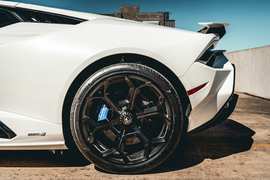
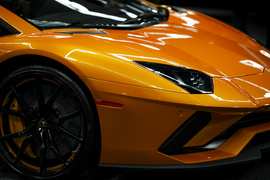
Lamborghini, known for its flamboyant designs and thunderous V12 engines, has also embraced electrification. The Aventador LP700-4, with its 690 horsepower and blistering acceleration, is a testament to Lamborghini’s commitment to performance. While the company has traditionally focused on raw power and aggressive styling, it has also demonstrated a growing interest in sustainable engineering, with plans for future models to incorporate electric technology.
The British Supercar Legacy: McLaren
The United Kingdom has long been a hotbed of supercar innovation, and McLaren continues to uphold this legacy with its latest offerings. The McLaren P1, a hybrid supercar that sold out its entire production run of 375 units, represents the pinnacle of McLaren’s engineering expertise. With 903 horsepower and a focus on driver engagement, the P1 offers a driving experience that is both thrilling and rewarding.
The McLaren 650S, another impressive offering from the British manufacturer, builds on the success of its predecessor with a refined design and enhanced performance. Available as both a hardtop and a convertible, the 650S demonstrates McLaren’s commitment to offering a range of vehicles that cater to different tastes and preferences. Both models showcase McLaren’s expertise in carbon fiber construction and aerodynamic design, ensuring that they deliver exceptional performance and handling.
German Precision: Porsche and Audi
German manufacturers have long been known for their engineering precision and attention to detail, and Porsche and Audi are no exception. The Porsche 918 Spyder, a hybrid supercar that combines a V8 engine with electric motors, represents the pinnacle of Porsche’s engineering expertise. With 795 horsepower and all-wheel drive, the 918 Spyder offers a driving experience that is both exhilarating and refined.
Audi’s contribution to this era of automotive excellence is evident in its RS models, which bring high performance to a wider range of vehicles. The RS 7 Sportback, for example, combines the practicality of a sedan with the performance of a sports car, offering a compelling package for drivers who want it all. Audi’s focus on technology and innovation is evident in its advanced quattro all-wheel drive system and its commitment to developing sustainable mobility solutions.
The Evolution of the Hypercar
The term “hypercar” has taken on new meaning in recent years. Once reserved for the most exclusive and extreme vehicles, it now encompasses a range of high-performance machines that push the boundaries of automotive engineering. The Bugatti Veyron 16.4 Super Sport, with its 1200 horsepower and top speed of over 267 mph, remains a benchmark for hypercar performance. However, it now shares the spotlight with hybrid hypercars that offer similar or even superior performance with a fraction of the emissions.
This evolution has been driven by technological advancements and a renewed focus on sustainability. As battery technology improves and electric motor efficiency increases, we can expect to see even more powerful and capable hybrid hypercars in the future. This trend demonstrates that high performance and environmental responsibility are not mutually exclusive, but can instead be combined to create something truly special.
The Importance of Context: Defining “Production Car”
When discussing the most powerful cars, it is important to consider the definition of a “production car.” As the Bugatti Veyron 16.4 Super Sport case illustrates, not all high-performance vehicles meet this definition. The Veyron, with 435 units sold, is considered a production car because it was built in significant numbers. In contrast, the Koenigsegg 1:One, while even more powerful, is a limited-production vehicle that will only have six units built, each with unique specifications.
This distinction is important because it highlights the difference